
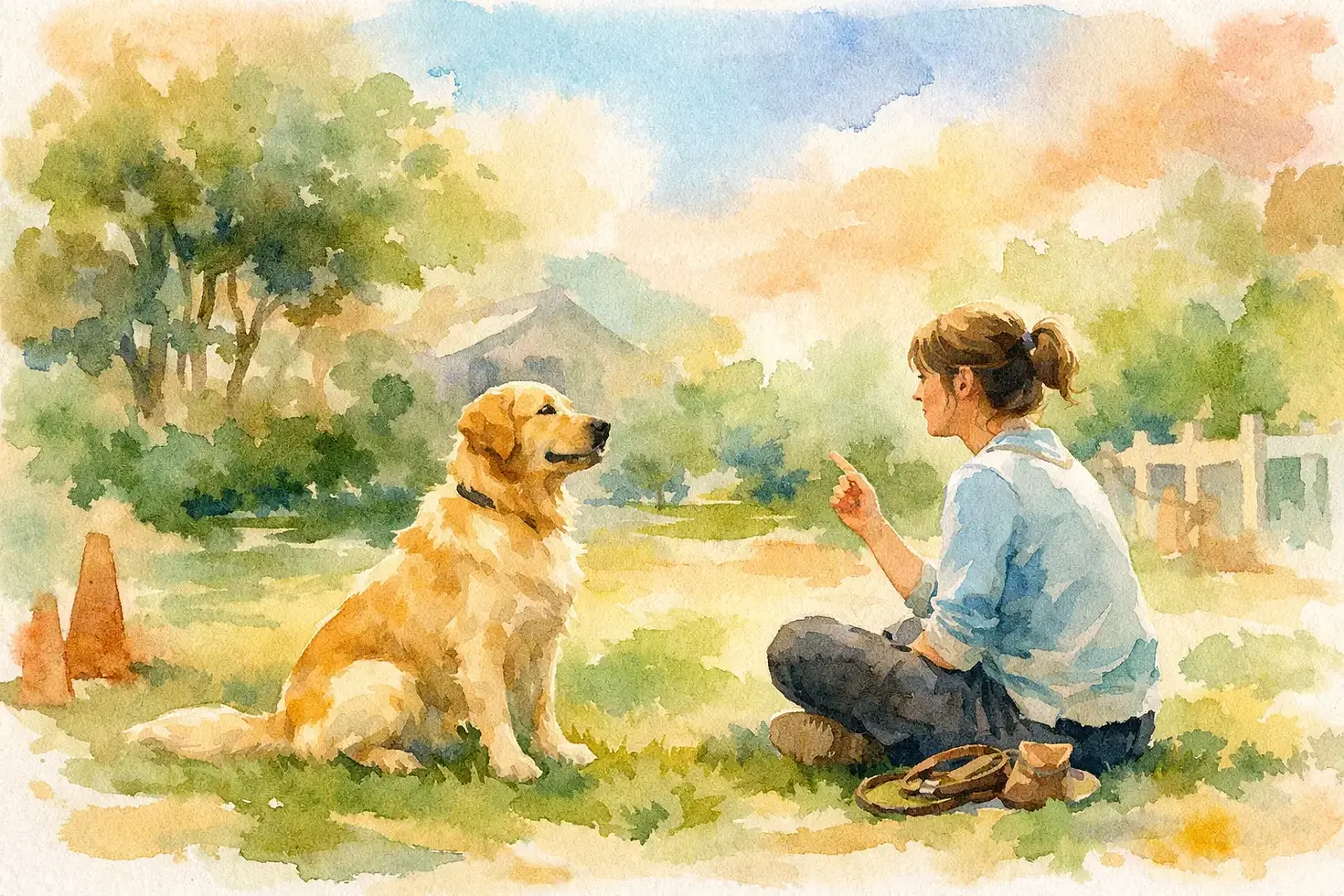
Are Private Dog Training Sessions Worth It?

Some dogs do not need a louder command. They need a clearer conversation.
That is often the turning point for pawrents who start looking into private dog training sessions. Maybe your dog melts down on walks, ignores cues they seemed to know last week, panics when left alone, or swings between sweet and overwhelmed so fast you barely recognize the pattern until you are in it again. Group classes can be helpful, but they are not always built for the dog in front of you. Private work gives you space to slow down, look closely, and build a plan around the actual dog you live with.
For many families, that is the difference between practicing obedience and changing behavior.
What private dog training sessions actually offer
Private dog training sessions are not simply one-on-one versions of a class. At their best, they are individualized behavior support. That means the trainer is not just teaching cues. They are looking at triggers, stress patterns, environment, handling, household routines, recovery time, and the relationship between dog and human.
This matters because behavior rarely exists in a vacuum. A dog who barks at the window may also be sleeping poorly, struggling with frustration, and staying in a state of constant alertness. A dog who pulls on leash may not just be excited. They may be conflicted, underexposed, overfaced, or rehearsing stress every single walk. When training is personalized, those details stop being background noise and start becoming the plan.
For dogs with reactivity, fear, trauma history, shutdown, or inconsistent behavior, private work is often the more ethical and effective place to start. It reduces pressure, limits unnecessary exposure, and allows the learning process to match the dog’s actual nervous system capacity.
When private dog training sessions make the most sense
There is no gold star for struggling in the wrong format. Some dogs thrive in group environments. Others need privacy, structure, and a slower pace before they can generalize skills around distractions.
Private sessions are usually a strong fit when your dog is dealing with reactivity, fearfulness, handling sensitivity, separation-related stress, guarding behavior, or major gaps between home behavior and public behavior. They are also useful when the human side of the leash needs support. A lot of pawrents are not lacking love or effort. They are lacking clear guidance that fits their dog instead of generic advice pulled from ten conflicting sources.
That is one of the hidden strengths of private training. It teaches the person as much as the dog. Timing improves. Observation improves. Expectations become more realistic. You start noticing what happens before the behavior, not just the behavior itself.
And that is where progress tends to get real.
Why one-size-fits-all training often falls short
Many dogs can perform a cue in a controlled setting. That does not mean the underlying issue has been addressed.
A dog can sit while still feeling unsafe. A dog can heel while still being flooded. A dog can stop barking temporarily without actually building regulation, resilience, or trust. This is where humane, science-led trainers draw a hard line between appearance and welfare.
Private training makes room for nuance. If a dog is struggling, the question is not, "How do we shut this down faster?" It is, "What is this behavior doing for the dog, and what skill or support is missing?" Sometimes the answer is clearer communication. Sometimes it is more rest, better management, reduced trigger exposure, or a different reinforcement strategy. Sometimes it is a medical referral. Sometimes it is all of the above.
That kind of work does not fit neatly into a standard protocol, because dogs are not standard.
What to expect from good private training
A thoughtful trainer should ask a lot of questions before they start telling you what to do. History matters. Daily routine matters. Sleep, enrichment, movement, feeding patterns, household stress, previous training, and bite or fear history all matter. If your dog has big feelings, the plan should not be based on guesswork.
Good private sessions usually include assessment, practical coaching, and a plan for what happens between lessons. The session itself is only one piece. Real change comes from what is repeated at home, how consistently stress is managed, and whether the training tasks are realistic for your life.
You should also expect honesty. Not every issue resolves quickly. Not every dog wants the same social life. Not every family has the same capacity, schedule, or goals. A specialist trainer will help you aim for meaningful improvement, not fantasy outcomes. Sometimes success looks like a dog calmly passing another dog on the sidewalk. Sometimes it looks like a dog finally being able to rest. Those wins count.
The relationship piece is not fluff
There is a reason relationship-based training keeps showing up in serious behavior work. Dogs learn through associations, patterns, and consequences, yes. They also live inside relationships. Safety, predictability, and trust influence how available a dog is for learning in the first place.
That does not mean boundaries disappear or structure gets soft. Quite the opposite. Clear structure is part of what helps many dogs feel secure. But structure without trust often creates compliance without confidence. And confidence matters if you want behavior that holds up outside the training moment.
At Amber's Cottage, this is part of why education-led private work matters so much. The goal is not to create a dog who performs on cue for a trainer. The goal is to help furries and their humans build a healthier, more fluent relationship that keeps working after the session ends.
Private sessions versus board-and-train or group classes
This is where it depends.
Group classes can be excellent for social learning, basic skills, and dogs who are able to function around other dogs and people without tipping over threshold. They are often more affordable and can be a great maintenance tool. But they are limited by the group format. The trainer cannot redesign the entire class around one dog’s fear, trauma history, or environmental triggers.
Board-and-train can help in specific cases, especially when the provider is highly skilled and the plan includes strong owner transfer. But it is not magic. Dogs do not live with trainers forever. If the human side is left out, results can fade fast once the dog returns home to the same patterns and stressors.
Private sessions sit in a powerful middle ground. They give tailored support while teaching the household how to maintain progress in real life. For behavior cases, that often makes them the most sustainable choice.
How to tell if a trainer is the right fit
Look for someone who talks about behavior with curiosity, not ego. Someone who can explain why they are recommending a technique, what they are watching for, and how they will adjust if the dog is struggling. Someone who values welfare, skill-building, and long-term change over quick fixes and dramatic before-and-after claims.
Ask how they handle fear, reactivity, and setbacks. Ask what role owner coaching plays. Ask how they track progress. Ask what happens if your dog needs management before they are ready for more challenging work. A trainer who is grounded in science and real behavior work will not be threatened by those questions.
You are trusting someone with a family member. You should feel informed, not pressured.
Are private dog training sessions worth the cost?
For the right dog, yes - especially when the alternative is months of confusion, repeated setbacks, or advice that makes the problem worse.
Private training is an investment in specificity. You are paying for observation, interpretation, strategy, and coaching that fits your dog’s actual needs. That can save time, stress, and emotional wear on everyone in the house. It can also prevent small issues from becoming deeply rehearsed ones.
That said, the value depends on quality and follow-through. A brilliant session will not outwork a home routine that never changes. The best private training is collaborative. Your trainer brings expertise. You bring consistency, honesty, and a willingness to learn your dog with fresh eyes.
Sometimes the biggest change is not that your dog suddenly becomes easy. It is that both of you finally stop feeling lost.
If your gut is telling you your dog needs more than a generic class, listen to it. Private dog training sessions can offer something many families have been missing all along - not more pressure, but better understanding. And for a lot of dogs, that is where healing, learning, and real progress begin.


Comments